

Link building is the process of earning backlinks from other websites to your own. Backlinks remain one of Google’s strongest ranking signals: a link from a trusted, relevant site tells Google your page is authoritative and worth ranking.
This guide covers the most effective link building strategies for SEO, from content-based outreach to local citations and digital PR.
Understanding Link Building in SEO
In our comprehensive guide to link building for SEO, you will see that link building is a crucial SEO strategy that involves acquiring hyperlinks from other websites to your own. These links, known as backlinks, are significant because search engines like Google view them as endorsements. The more high-quality backlinks your website has, the more authoritative it appears to search engines, potentially boosting your site’s ranking in search results.
Why Are Backlinks Important?
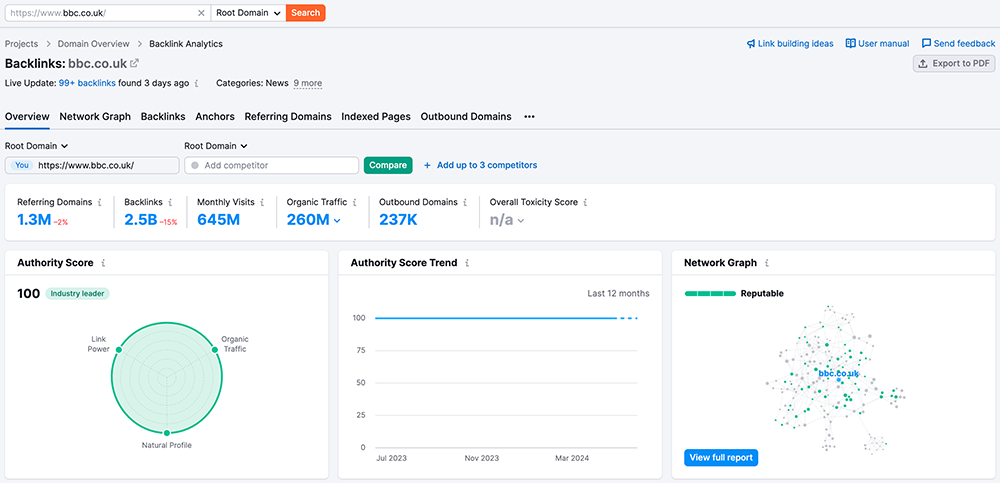
Backlinks function like votes of confidence from other websites. When reputable sites link to your content, they signal to search engines that your site provides valuable and reliable information. For instance, Semrush’s Backlink Analytics tool reveals that bbc.co.uk has backlinks from over one million domains, including notable sites like cdc.gov, microsoft.com, and britannica.com. This robust backlink profile significantly influences Google’s algorithm, ensuring BBC’s content ranks highly in search results.
However, while backlinks are crucial, they are just one of many factors that Google considers. Their link best practices guide explains exactly what makes a link valuable. However, while backlinks are crucial, they are just one of many factors that Google considers when ranking websites. Our studies indicate that eight out of the top twenty ranking factors are related to backlinks.
Acquiring Backlinks
Backlinks can be acquired naturally over time, but proactive link-building can give you a competitive edge. High-quality backlinks can significantly enhance your SEO efforts, making it essential to focus on building a solid backlink profile.
Key Factors Influencing a Backlink’s Value
Not all backlinks are created equal. The value of a backlink depends on several factors:
Authority
The authority of the referring site plays a crucial role. Backlinks from high-authority sites are more valuable than those from lesser-known sites. For example, a link from bbc.co.uk will significantly impact your SEO more than one from a small personal blog. Semrush measures site authority with a metric called Authority Score, which considers three main factors: link power, organic traffic, and the natural profile of the site’s backlink profile.
Relevance
Backlinks from sites related to your niche are more beneficial than those from unrelated sites. For example, a backlink from a sports blog to your basketball shoe store is more valuable than a link from a gardening blog. The content surrounding the backlink should also be relevant to maximise its SEO impact.
Link Placement
The location of the backlink on a page affects its value. Backlinks embedded within the main content of a page are generally more valuable than those placed in sidebars or footers. Google’s “reasonable surfer model” suggests that links higher up in the main content are more likely to be clicked and, thus, more valuable for SEO.
Anchor Text
The clickable text of a backlink, known as anchor text, provides context to search engines about the linked page. Descriptive anchor text is better for SEO as it helps search engines understand the relevance of the related content. For example, “basketball shoes” is more informative than “click here.”
Types of Backlinks
There are different types of backlinks, each with varying impacts on SEO:
Follow Links
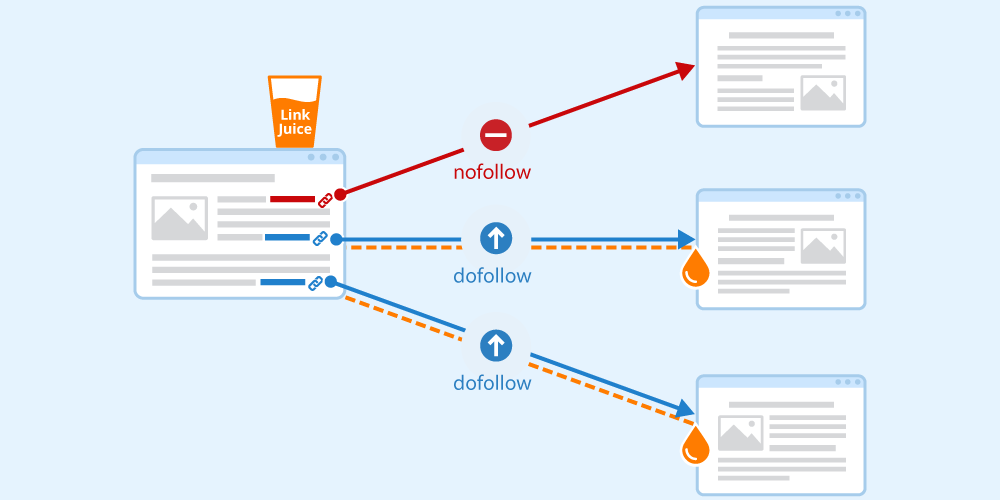
Standard links that pass ranking strength to the linked page. These are the most desired types of backlinks for SEO purposes.
Nofollow Links
These links contain a “nofollow” attribute, instructing search engines not to pass ranking strength to the linked page. They are used for paid links, user-generated content, or when the publisher does not want to endorse the linked page.
Effective Link-Building Strategies
Earning Links
Creating high-quality content that naturally attracts backlinks is the most effective link-building strategy. This can include:
- Visual Assets: Infographics, charts, and diagrams.
- Original Research and Data: Industry studies, surveys, and proprietary research.
- Online Tools and Calculators: Useful tools that attract links.
- In-Depth Guides and Tutorials: Comprehensive content that others want to reference.
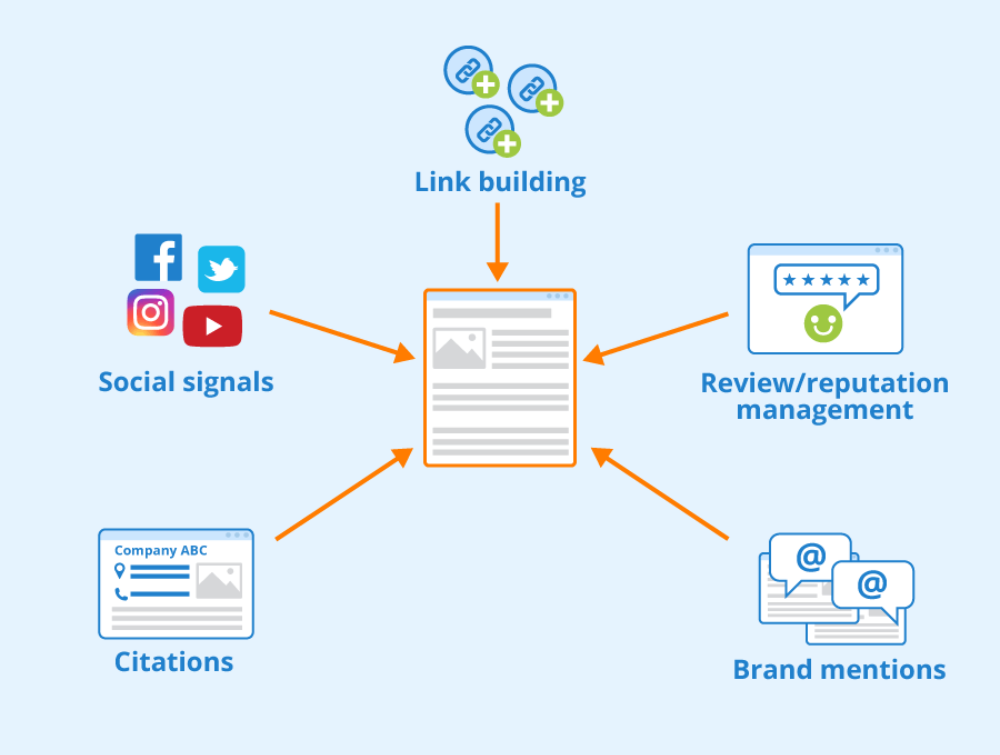
By focusing on producing exceptional content, you increase the likelihood that other websites will link to your site without you having to ask. Directory citations are another valuable source of links; see our guide to the top citation websites in the UK for local SEO. This method is highly effective because it relies on the intrinsic value of your content.
Asking for Links
Proactively contacting website owners to request backlinks is another effective strategy. This involves:
- Identifying prospects: Use tools like Semrush to find sites that link to your content.
- Outreach: Contact the site owners and persuade them to link to your content.
This approach requires a well-crafted outreach strategy, including personalised emails explaining the mutual benefits of linking to your site. Targeting sites relevant to your niche is essential to maximising the value of these backlinks.
Adding Links
While not the most effective for SEO, adding your links to forums, directories, and social media profiles can drive referral traffic. For a beginner-friendly introduction, see our guide on how to build backlinks for SEO. Though typically less valuable for SEO purposes, these links can still enhance your overall online presence and direct users to your site.
However, it’s crucial to add links in a way that provides genuine value to users. Indiscriminately adding links can harm your brand’s reputation and may be considered spammy by search engines.
Buying Links
This practice is against Google’s guidelines and can lead to penalties. If marked with the “nofollow” or “sponsored” attribute, only pay for backlinks.
Purchasing links that pass PageRank violates Google’s policies. It can result in severe penalties, including a significant drop in search rankings or even de-indexing. To avoid these risks, building backlinks through legitimate means is crucial.
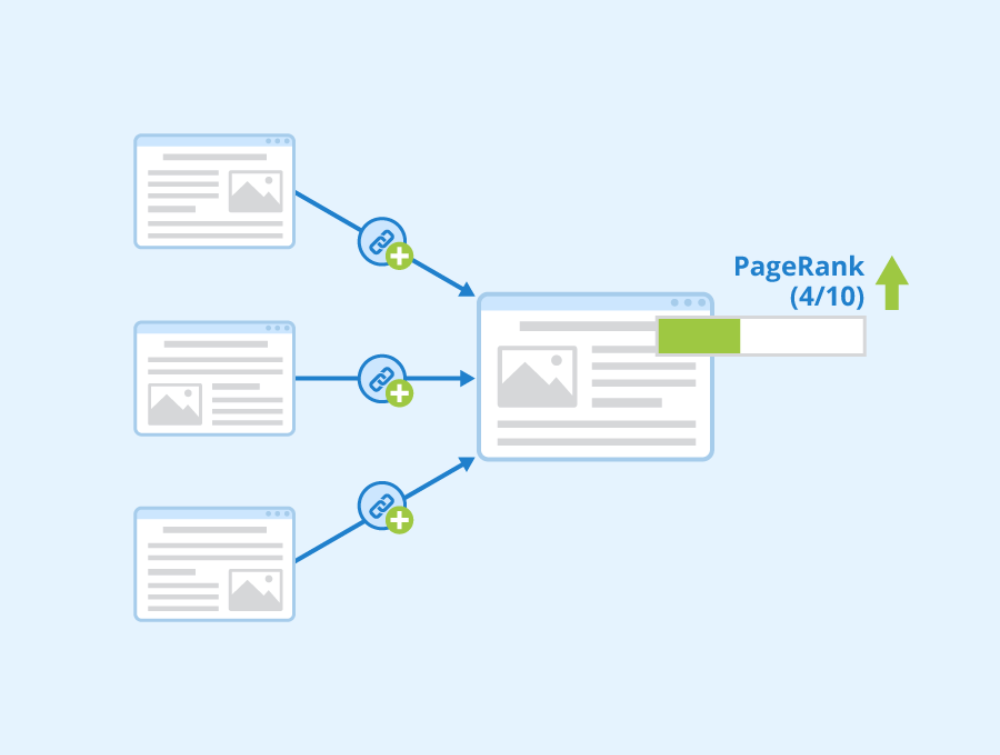
Advanced Link Building Tactics
Conducting Email Outreach
Email outreach involves contacting website owners or editors and requesting a backlink. This method requires a thoughtful approach, including identifying contacts, crafting personalised messages, and following up appropriately.
Focus on building relationships rather than simply asking for links to maximise success. Provide value by offering high-quality content that complements their site, and explain how linking to your content can benefit their audience.
Becoming a Source
You can become a source for journalists and bloggers by providing expert insights or data. Platforms like HARO (Help a Reporter Out) connect journalists with industry experts. Responding to relevant queries can result in backlinks from reputable news sites.
This tactic builds backlinks and enhances your reputation as an industry authority. Consistently providing valuable information increases the likelihood that journalists will seek you out for future stories.
Broken Link Building
This strategy involves finding broken links on other websites and offering your content as a replacement. Tools like Semrush’s Backlink Analytics can help you identify broken links on high-authority sites.
When contacting web admins, explain the benefits of replacing the broken link with your content, emphasising how it improves their site’s user experience by providing a working link.
Creating Linkable Assets
Developing high-quality, valuable content that naturally attracts backlinks is a cornerstone of effective link-building. Examples include comprehensive guides, original research, infographics, and interactive tools.
These assets serve as “link bait,” drawing attention and encouraging other sites to link to them. Promoting these assets through various channels, such as social media and email marketing, can enhance their visibility and attract more backlinks.
Finding Unlinked Brand Mentions
Use tools like Brand Monitoring to find mentions of your brand without a link. Contact the authors and request that they add a link to your site.
This tactic leverages existing goodwill and awareness of your brand, making it easier to secure backlinks. By providing a direct benefit (a working link), you increase the chances of the author agreeing to your request.
Analysing Competitor Backlinks
Studying your competitors’ backlink profiles can reveal valuable insights and opportunities. Tools like Semrush’s Backlink Analytics allow you to see where your competitors get their backlinks.
Identify patterns in the types of content attracting backlinks and the sources providing them. This information can guide your link-building strategy, helping you replicate successful tactics and avoid ineffective ones.
Reclaiming Lost Backlinks
Over time, you may lose backlinks due to changes on the linking site, such as content updates or page deletions. Use tools like Semrush’s Backlink Audit to identify lost backlinks and contact the site owners to request reinstatement.
When contacting site owners, be polite and provide a compelling reason for restoring the link. Highlight your content’s value to their audience and offer to assist in any way necessary.
Performing Backlink Gap Analysis
A backlink gap analysis helps identify sites that link to your competitors but not to you. This information can uncover new link-building opportunities.
Tools like Semrush’s Backlink Gap tool allow you to compare your backlink profile with your competitors, highlighting potential targets for outreach. Focus on high-authority sites that link to multiple competitors, as they are more likely to consider linking to your content.
Implementing Digital PR
Digital PR involves creating compelling content and press releases to attract media coverage and backlinks. This tactic can generate high-quality backlinks from news sites and industry publications.
Developing newsworthy content, such as data-driven studies or unique events, increases the likelihood of gaining media attention. Distribute your press releases through platforms like PR Newswire to maximise reach and impact.
Tracking and Auditing Your Link-Building Efforts
Regularly monitor your backlink profile using tools like Semrush’s Backlink Audit tool. Conduct monthly audits to track earned and lost links and assess overall backlink quality. Monitor your site’s Authority Score to gauge the effectiveness of your link-building efforts.
Focusing on acquiring high-quality, relevant backlinks and avoiding spammy practices can significantly enhance your SEO strategy, improving your site’s visibility and ranking in search engine results.
As you can see from our comprehensive guide to link-building for SEO, effective link-building requires a comprehensive approach, leveraging various tactics to acquire high-quality backlinks. By understanding the key factors influencing backlink value and implementing advanced strategies, you can build a robust backlink profile that enhances your site’s authority and search engine rankings. Regularly monitoring and adjusting your link-building efforts ensures continued success and competitiveness in the ever-evolving landscape of SEO.
Our SEO services include a tailored link-building strategy to grow your site’s authority over time. To see how link building feeds into domain authority, read our guide on how to increase domain authority for better Google rankings, and for the fundamentals see our guide on why links matter for SEO and local search results.