

llms.txt is a proposed standard: a simple text file placed at the root of your website that gives AI systems a curated map of your most important content. You can read the full proposal at llmstxt.org. The idea is to help AI crawlers focus on your best pages rather than wandering across your entire site.
This guide explains what llms.txt is, what problem it solves, what the evidence shows so far, and how to decide whether to implement it on your site.
LLMs.txt: What It Is, Whether It Matters, and How to Use It for AI Search Visibility
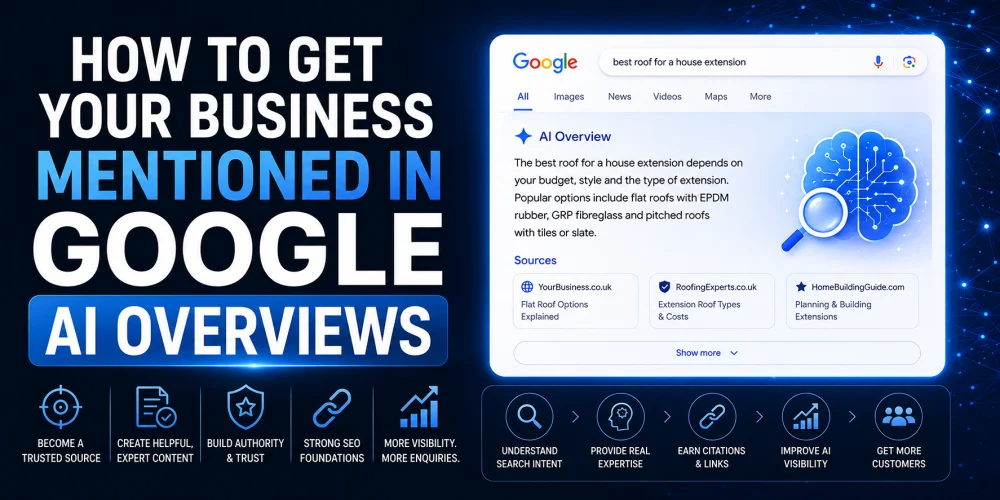
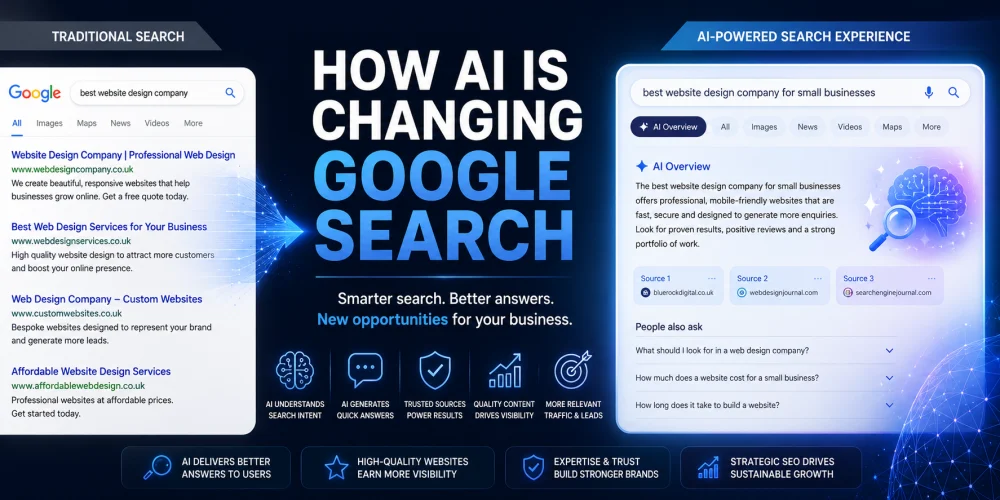
AI answers are increasingly shaping how people discover brands. As a result, marketers and SEOs have begun experimenting with new “AI visibility” tactics, including the use of llms.txt.
This post explains what llms.txt is, what problem it aims to solve, what Semrush’s testing suggests so far, and how Blue Rock Digital recommends you approach it (pragmatically, without chasing hype).
The llms.txt sits within the broader discipline of Generative Engine Optimisation (GEO) — making your content visible to AI-powered discovery tools, not just traditional search engines.
What is llms.txt?
llms.txt is a proposed standard: a Markdown-formatted file placed at /llms.txt that gives large language models (LLMs) a curated, human-readable map of the most important pages and resources on your site.
The idea is simple: instead of an AI crawler “wandering” across your site and potentially focusing on outdated, low-value, or hard-to-parse pages, you provide a shortlist of the content you most want AI systems to read and cite.
What problem is llms.txt trying to solve?
The proposal exists because AI systems can struggle with:
- Modern websites that are difficult to parse (especially content rendered via JavaScript, complex layouts, and heavy navigation).
- Information overload, where models cannot easily determine what’s most important (and may “learn” the wrong things from low-priority pages).
- Context limits, where LLMs cannot process an entire site and benefit from concise, structured guidance.
The llms.txt proposal positions the file for use in inference: when a user asks a question, the system fetches relevant sources, rather than during training.
How is llms.txt structured?
Both Semrush and the official spec emphasise Markdown as the preferred format, including headings, lists, links, and, importantly, blockquote summaries using > (the “quote block” you referenced).
The official spec describes a typical structure as:
- H1: site/project name (required)
- Blockquote: summary (recommended)
- Optional notes (plain paragraphs/lists)
- H2 sections listing key URLs, each as a Markdown link with optional descriptions
It also defines an “Optional” section, meaning “skip if you need shorter context.”
Does llms.txt improve rankings or AI visibility?
This is where it gets interesting-and where you should be cautious.
Semrush’s position is clear: llms.txt is not yet widely adopted or officially supported by major AI companies, and its testing found no correlation between adding llms.txt and improved AI performance.
They cite public comments from Google’s John Mueller indicating that no AI system currently uses llms.txt (as of the time referenced in their article).
Semrush also reports that, in its log analysis of a test site, the llms.txt URL received no visits from several prominent AI crawlers during the test period, while traditional crawlers like Googlebot and Bingbot occasionally hit it.
So, today, llms.txt is best treated as:
- A low-effort experiment, not a guaranteed performance lever
- A way to document and curate your own “source of truth” pages
- A tactic that may become more valuable if adoption increases
Blue Rock Digital’s recommendation
If you have a well-maintained site and you can implement it cleanly:
Implement llms.txt as a tidy, curated index of your most crucial pages, but do not expect immediate, measurable SEO gains.
Your most significant AI visibility wins still come from fundamentals:
- Clear service pages with strong topical coverage
- FAQs with valid schema (where appropriate)
- Strong internal linking and descriptive anchor text
- Accurate NAP, service areas, and proof (reviews, case studies)
- Freshness and clarity (especially on “how much does it cost” style intent)
Use llms.txt to support these foundations, not replace them. For a broader look at optimising your website for AI search engines, including structured data and content strategy, see our full guide.
Practical llms.txt implementation checklist
Semrush’s process is straightforward: choose key pages, create the file in Markdown, and upload it to the correct location (typically your site root) so it loads at https://yourdomain.com/llms.txt.
What to include (most sites)
- Core service pages
- Key location pages (if you use them)
- About / contact pages
- Pricing or “how we price” page (if you have it)
- A short list of the highest-value blog posts (not everything)
What to avoid
- Copy-pasting entire FAQs or long bodies of content
- Keyword stuffing
- Linking to outdated pages you don’t want cited
- Listing hundreds of URLs (defeats the “curated” purpose)
How to measure whether it’s doing anything
Given the current uncertainty, measure llms.txt like an experiment:
- Server logs / CDN logs: look for hits to /llms.txt from known bots (and whether they change over time). Semrush specifically checked the logs for AI crawler access during its test.
- AI referral traffic: track referrers like Perplexity and other AI tools (where available).
- Brand mentions/citations: monitor whether AI outputs begin referencing your preferred pages more consistently.
If you see no signals, that does not mean it’s harmful-just that it may not be “live” as a ranking/citation factor yet.
The bottom line
llms.txt is a reasonable, low-cost addition if you treat it as a curated AI index of your best content. But the evidence today suggests it is still an emerging standard, with unclear real-world impact and limited (or no) confirmed use by major AI systems.
If you want Blue Rock Digital to implement llms.txt properly (and align it with schema, internal linking, and “AI answer” content structure), we can build it as part of a broader Generative Engine Optimisation and AI visibility strategy.
If you share your Blue Rock Digital page URLs for SEO, Web Design, and AI SEO, I will generate a ready-to-upload llms.txt tailored to your actual site structure.