



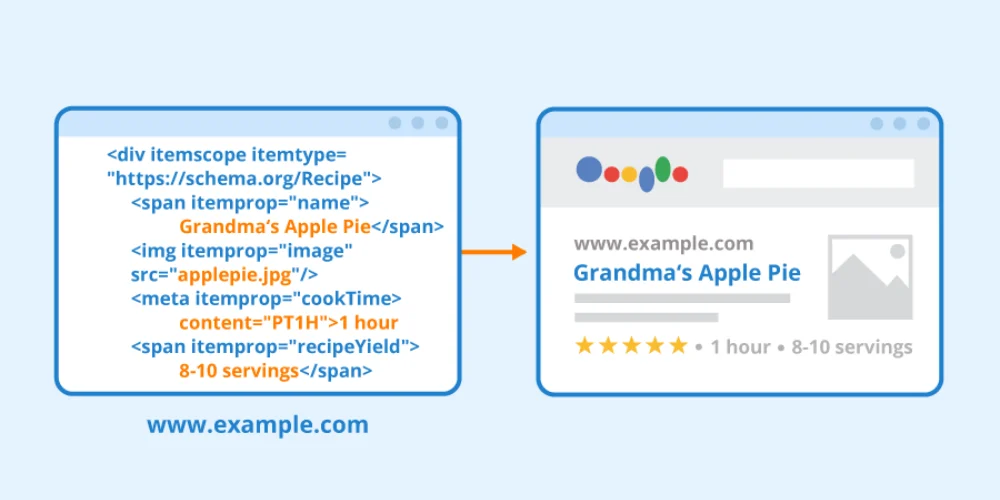
Product schema markup is structured data that tells search engines the specific details of a product: its name, price, availability, rating, and more. When implemented correctly, it can trigger rich results in Google search, including star ratings, price, and stock status, all of which improve click-through rate.
This guide explains how to use product schema markup to enhance your SEO.
Enhance User Engagement And Drive Traffic
Why Enhance Your SEO with Product Schema Markup? In today’s competitive digital landscape, gaining visibility on search engine results pages (SERPs) is more critical than ever. One powerful tool that can help boost your website’s visibility and improve click-through rates (CTR) is product schema markup. By providing detailed information about your products directly in search results, product schema markup can significantly enhance user engagement and drive more traffic to your website.
What is Product Schema Markup?
Product schema markup is a type of structured data you can add to your website’s HTML code. This markup helps search engines understand the content of your pages and display detailed information in search results. It is one of the most important SEO ranking factors for visibility in rich results. For e-commerce sites and businesses that sell products online, using product schema markup is essential for standing out in search results.
Structured data is a standardised format for providing information about a page and classifying its content. It helps search engines like Google better understand your pages’ content and context. Schema.org, a collaborative effort by major search engines, provides a comprehensive list of schema types and properties web admins can use to mark their pages.
By using product schema markup, you can provide search engines with specific details about your products. Google’s product structured data documentation covers all required and recommended fields. By using product schema markup, you can provide search engines with specific details about your products, such as:
- Name
- Description
- Price
- Availability
- Reviews and ratings
- Product condition (new, used, refurbished)
This detailed information appears in rich snippets and enhanced search results, providing additional information beyond the standard title, URL, and meta description.
Benefits of Product Schema Markup
Improved Click-Through Rates
One of the most significant benefits of using product schema markup is the potential to improve your click-through rates. When searchers directly see detailed information about your products in the search results, they are likelier to click on your listing. This increased visibility and enhanced presentation will make your products stand out from competitors who may need to use schema markup.
Enhanced Visibility in Search Results
Product schema markup can also help your products appear in special search features like Google Shopping and product carousels. These features are designed to showcase product information in a visually appealing way, making it easier for users to find what they’re looking for. By implementing schema markup, you increase the chances of your products being featured in these prominent placements.
Voice Search Optimisation
As voice search continues to grow in popularity, optimising your website for voice queries becomes increasingly essential. Virtual assistants like Siri, Google Assistant, and Alexa rely on structured data to provide accurate and relevant answers to user queries. Using product schema markup, you can ensure that your products are included in voice search results, providing users with detailed information when they ask about specific products.

Implementing Product Schema Markup
Implementing product schema markup involves several steps, from identifying the relevant schema types to adding the appropriate code to your website and validating the markup. Here is a comprehensive guide to help you get started.
Identify Relevant Schema Types
The first step in implementing product schema markup is identifying your website’s relevant schema types. Schema.org offers a wide range of schema types, each designed to provide specific information about different types of content. The most relevant schema type for e-commerce websites is the Product schema.
To determine which schema types are appropriate for your site, consider the content and information you provide. For example, use the Article schema type if your website includes articles. If you offer services, you could use the Service schema type. By identifying the most relevant schema types, you can ensure that you provide search engines with the necessary information to display your content accurately in search results.
Add Schema Markup to Website Code
Once you have identified the relevant schema types, the next step is to add the schema markup to your website’s HTML code. This involves placing specific schema.org tags around the relevant content elements on your site. These tags provide search engines with detailed information about the content on your pages, allowing them to display rich snippets in search results.
Manual Implementation
If you manually add schema markup, you’ll need to locate the appropriate HTML elements where the markup should be inserted. This involves adding schema.org tags with the necessary properties and values. For example, to mark up a product, you might use the following code:
<div itemscope itemtype="http://schema.org/Product">
<span itemprop="name">Product Name</span>
<span itemprop="description">Product Description</span>
<span itemprop="offers" itemscope itemtype="http://schema.org/Offer">
<span itemprop="price">19.99</span>
<link itemprop="availability" href="http://schema.org/InStock">In stock</link>
</span>
<div itemprop="aggregateRating" itemscope itemtype="http://schema.org/AggregateRating">
<span itemprop="ratingValue">4.5</span> out of <span itemprop="bestRating">5</span>
based on <span itemprop="reviewCount">24</span> reviews
</div>
</div>
This example includes basic information about a product, such as its name, description, price, availability, and aggregate rating. You can expand on this by including additional properties relevant to your products.
Using Plugins and Tools
For those who prefer a more automated approach, various plugins and tools are available to help generate and implement schema markup. Many content management systems (CMS), such as WordPress, offer plugins that simplify the process of adding structured data to your site. These tools typically provide user-friendly interfaces that allow you to enter the necessary information and automatically generate the corresponding schema markup.
Validate Schema Markup
After adding schema markup to your website, it’s crucial to validate it to ensure it is correctly implemented and error-free. Validating schema markup involves using structured data testing tools from search engines like Google. These tools analyse your schema markup code, identify any syntax errors or missing elements, and provide feedback on how to fix any issues.
Google Structured Data Testing Tool
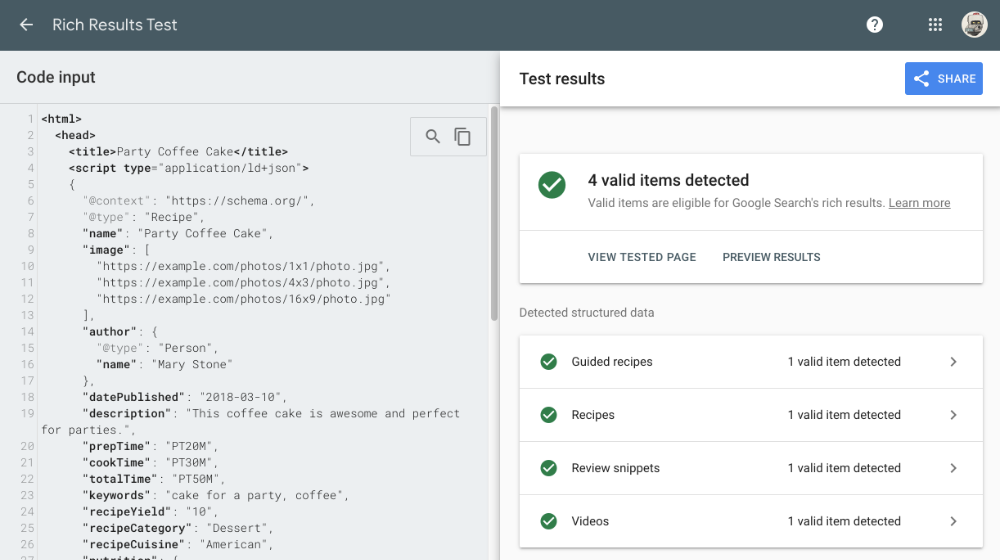
Google’s Structured Data Testing Tool is one of the most popular tools for validating schema markup. This tool allows you to enter a page’s URL or paste your HTML code to check for errors. The tool will highlight any issues with your markup and provide suggestions for corrections.
Schema.org Validator
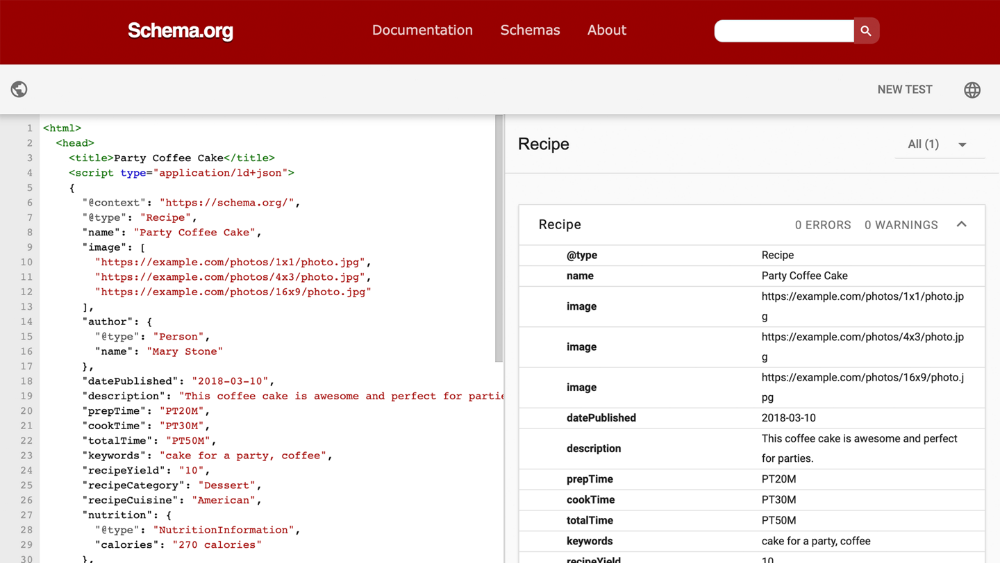
Schema.org also offers a validator tool that checks the compliance of your schema markup with Schema.org standards. This tool helps ensure that your structured data is correctly formatted and interpretable by search engines.
Regularly Review and Update Schema Markup
Maintaining accurate and up-to-date schema markup is essential for maximising the benefits of structured data. As your website evolves and new content is added, it is important to review and update your schema markup regularly. Outdated or inconsistent schema markup can negatively impact the effectiveness of your structured data and potentially harm your search engine rankings.
Conduct Routine Audits
Conduct routine audits of your website’s schema markup to identify inconsistencies or outdated information. Regular audits help ensure that your structured data accurately represents the content on your site and remains compliant with current schema standards.
Update with Content Changes
Whenever you update or modify your website, review the associated schema markup. This includes adding new content, removing outdated information, or changing product offerings. Keeping your schema markup aligned with your content ensures that search engines have the most accurate information to display in search results.
Stay Abreast of Schema Changes
Stay informed about any updates or changes to schema markup standards. Search engines periodically update their guidelines, and it’s essential to adapt your schema markup accordingly to meet the latest requirements. Following industry news and updates from Schema.org can help you stay current with best practices.
Utilise Validation Tools
Regularly use validation tools such as Google’s Structured Data Testing Tool or Schema.org’s Validator to verify the correctness of your schema markup. These tools help identify any errors or discrepancies that need attention, ensuring that your structured data remains effective.
Monitor Performance
Keep an eye on the performance of your structured data in search results. Suppose you notice any sudden drops in traffic or visibility. In that case, it might indicate issues with your schema markup that must be addressed promptly. Monitoring performance helps you identify and rectify problems early, maintaining the positive impact of your schema markup on SEO.
Best Practises for Schema Markup
Implementing schema markup is not a one-time task; it requires ongoing attention and adherence to best practices to ensure maximum effectiveness. Here are some best practices when implementing schema markup on your website.
Use Structured Data Testing Tools
Structured data testing tools are essential for ensuring the accuracy and effectiveness of your schema markup. These tools help verify that your markup is implemented correctly and adheres to the recommended format.
Benefits of Testing Tools
- Error Detection: Testing tools identify any errors or issues with your schema markup, helping you fix them promptly.
- Validation: Validating your markup ensures search engines can accurately understand and interpret your structured data.
- Preview: Some tools preview how your schema markup will appear in search results, allowing you to make any necessary adjustments for improved visual presentation.
Keep Schema Markup Consistent and Up-to-Date
Consistency in schema markup is crucial because search engines rely on this data to understand and categorise your content. When schema markup is inconsistent or outdated, it can lead to confusion and potentially lower search engine rankings.
Achieving Consistency
- Regular Audits: Conduct routine audits of your website’s schema markup to identify inconsistencies or outdated information. This ensures that your structured data accurately represents the content on your site.
- Updates with Content Changes: Review the associated schema markup whenever you make updates or modifications to your website. This includes adding new content, removing outdated information, or changing product offerings.
- Stay Abreast of Schema Changes: Keep yourself informed about any updates or changes to schema markup standards. Search engines periodically update their guidelines, and it’s essential to adapt your schema markup accordingly to meet the latest requirements.
- Utilise Tools: Use tools such as Google’s Structured Data Testing Tool or Schema.org’s Validator to validate and verify the correctness of your schema markup. These tools help identify any errors or discrepancies that need attention.
- Monitor Performance: Monitor the performance of your structured data in search results. Suppose you notice any sudden drops in traffic or visibility. This might indicate issues with your schema markup that must be addressed promptly.
Ensure Schema is Relevant and Accurate
Accurate and relevant schema markup helps search engines understand your content better, leading to more accurate search results and improved SEO performance.
Maintaining Accuracy and Relevance
- Regular Reviews: Review your schema markup regularly to ensure it accurately reflects the content it is applied to. This means you should only use schema markup relevant to the specific information or data you want to highlight.
- Update with Content Changes: Review the associated schema markup whenever you make updates or modifications to your website. This includes adding new content, removing outdated information, or changing product offerings.
- Stay Abreast of Schema Changes: Keep yourself informed about any updates or changes to schema markup standards. Search engines periodically update their guidelines, and it’s essential to adapt your schema markup accordingly to meet the latest requirements.
Final Thoughts
We hope you can better understand the subject by reading our blog post, ‘Enhance Your SEO with Product Schema Markup. Schema markup is a valuable tool for enhancing SEO strategies. It works best alongside broader website optimisation for Google. By adding schema markup to your website, businesses can provide search engines with crucial information about their content. This markup helps search engines understand and categorise the content more effectively, leading to better visibility in search results. Schema markup also allows businesses to provide rich snippets that offer additional information to users directly on search engine results pages (SERPs). This can include details such as ratings, prices, and event dates.
Schema markup enhances the user experience by providing more targeted and relevant search results. Users are more likely to click on search results that provide detailed information about the products they are interested in, leading to increased click-through rates and potential conversions.
Implementing product schema markup involves several steps, from identifying the relevant schema types to adding the appropriate code to your website and validating the markup. By following best practices and regularly updating your schema markup, you can ensure that your structured data remains accurate and effective.
Using structured data testing tools, keeping schema markup consistent and up-to-date, and ensuring that schema is relevant and accurate are all essential for maximising the benefits of schema markup. These practices help improve the visibility and appeal of your products in search results, ultimately leading to increased traffic and potential conversions.
Schema markup is a powerful tool for improving SEO performance. By providing search engines with detailed information about your content, you can enhance your website’s visibility in search results, attract more qualified traffic, and improve overall user experience. Implementing and maintaining accurate schema markup is essential for staying competitive in today’s digital landscape and achieving long-term SEO success.
Our SEO services include technical optimisation such as schema implementation to give your site every competitive advantage. For a full on-page foundation, read our guide on how to create a website with best-practice on-page SEO, and for the wider ranking picture see our guide to Google’s 200 ranking factors.