


Google’s March 2025 core update was a broad change to how Google ranks pages across all sites. It started on 13 March 2025 and finished on 27 March 2025, and Google described it as a regular update “designed to better surface relevant, satisfying content for searchers from all types of sites”. It didn’t target particular websites; sites that lost ground were generally being outranked by content Google judged more helpful for that search.
This post is a record of what that update was and how to respond to any core update. At the end, a section brings you up to date with what has happened since, to November 2026.
What the March 2025 core update was
Core updates are broad changes Google makes to its ranking systems several times a year. Google’s core updates documentation says they are designed to make sure Google presents helpful and reliable results, and that they don’t target specific sites or individual pages. Instead, they change how content is assessed overall, so some pages rise and others fall.
What Google said about it
When it announced the update, Google said it was a regular core update and that it was continuing work to surface more content from creators through a series of improvements during 2025. It said the rollout might take up to two weeks. Google did not say that the update targeted AI-generated content, any industry or any particular tactic, so be wary of articles that claim otherwise.
Rollout timeline
- Started: 13 March 2025
- Completed: 27 March 2025
- Duration: about two weeks
Unlike the March 2024 core update, it did not run at the same time as a spam update. Google’s Search Status Dashboard shows no spam update in 2025 until the one that began on 26 August.
How it affected websites
As with every core update, rank-tracking tools showed a period of volatility during the rollout, and site owners reported a mix of gains and losses. Google did not publish figures on which kinds of site were affected, so treat claims about specific sectors or percentage drops as observations from individual tools or sites, not facts about the update.
What Google did make clear, in this announcement and its general guidance, is the direction of travel: content made for people, with clear expertise and first-hand experience, is what its systems try to reward. Pages that exist mainly to rank, such as thin location pages, rewritten versions of other people’s content or pages built at scale with little added value, are the ones most likely to be outranked over time.
How it compared with earlier updates
- August 2024 core update: ran from 15 August to 3 September 2024. Google said it took into account feedback from creators and aimed to connect people with a range of high-quality sites, including small or independent sites with useful, original content.
- November 2024 core update: started on 11 November 2024 and took a little over three weeks.
- December 2024 core update: a quick update, completed in about six days (12 to 18 December 2024), followed by a spam update from 19 to 26 December.
The March 2025 update took longer than December’s but was otherwise a routine broad update. For the full picture of the previous year, see our guide to Google algorithm updates in 2024.
Google’s guidance if your rankings dropped
Google’s advice after any core update is consistent, and it still applies in November 2026.
Wait until the update has finished
Don’t react during the rollout. Google suggests waiting at least a full week after an update completes, then comparing that week with the week before the rollout began in Search Console.
Work out how big the drop is
- Small drops (a few positions) don’t call for drastic action. Rankings move all the time.
- Large, sustained drops on important pages call for a proper review of those pages and the site as a whole.
- Check Web, Images, Video and News separately in the Search Console performance report, so you know where the loss happened.
Assess your content honestly
Google points site owners to its guidance on creating helpful, reliable, people-first content. It asks you to consider who created the content, how it was created and why. Useful questions include:
- Does the page give original information, research or analysis, or does it repeat what everyone else says?
- Is it clear who wrote it and why they’re qualified to?
- Would someone who arrived from Google leave feeling they’d learned enough to achieve their goal?
- Was it written mainly to attract search visits rather than to help existing or future customers?
Google also suggests asking someone unconnected to your site to review it, because it’s hard to judge your own content objectively.
Avoid quick fixes
Google warns against hurried changes such as deleting large amounts of content, rewriting pages that already perform well or chasing a single “factor”. Removing unhelpful content can help if it was created mainly for search engines, but it should be a considered decision rather than a reflex.
Practical steps after any core update
Run a content audit
List your pages with their clicks and impressions from Search Console. For each page that has lost visibility, compare it with the pages now ranking above it. Then decide whether to improve, merge, redirect or (as a last resort) remove it.
Strengthen trust and expertise
- Add real author names and short bios that explain relevant experience.
- Show first-hand evidence: your own photos, examples of your work, real processes and prices where you can.
- Make it easy to see who the business is, with clear contact details, an address where appropriate and an About page.
Check the technical basics
- Fix crawl and indexing errors shown in Search Console.
- Check Core Web Vitals in Search Console (loading, responsiveness measured by INP, and visual stability).
- Make sure the site works well on mobile and that structured data is valid.
Measure what visitors do
In Google Analytics 4, look at engagement rate, average engagement time, key events (conversions) and the pages people land on. Universal Analytics, and the old “bounce rate” view that came with it, has been retired, so use GA4’s engagement metrics instead.
Be patient
Google says improvements can be picked up at any time, because it also makes smaller core updates that it doesn’t announce. But it can take months for changes to show, and sometimes recovery only comes with the next broad core update. There’s no guarantee of returning to previous positions if other sites have genuinely become more useful.
What has changed since March 2025
Here’s what has happened in Google Search between the March 2025 update and November 2026, taken from Google’s Search Status Dashboard.
| Update | Started | Approximate length |
|---|---|---|
| June 2025 core update | 30 June 2025 | 17 days |
| August 2025 spam update | 26 August 2025 | 27 days |
| December 2025 core update | 11 December 2025 | 18 days |
| February 2026 Discover update | 5 February 2026 | 22 days |
| March 2026 spam update | 24 March 2026 | Under 1 day |
| March 2026 core update | 27 March 2026 | 12 days |
| May 2026 core update | 21 May 2026 | 12 days |
| June 2026 spam update | 24 June 2026 | 2 days |
| August 2026 spam update | 18 August 2026 | 3 days |
| September 2026 spam update | 24 September 2026 | 14 days |
| November 2026 core update | 10 November 2026 | Still rolling out at the time of writing (Google said up to two weeks) |
Google described the November 2026 core update in almost the same words it used in March 2025: a regular update to better surface relevant, satisfying content from all types of sites. The advice in this post therefore hasn’t changed.
AI in search results
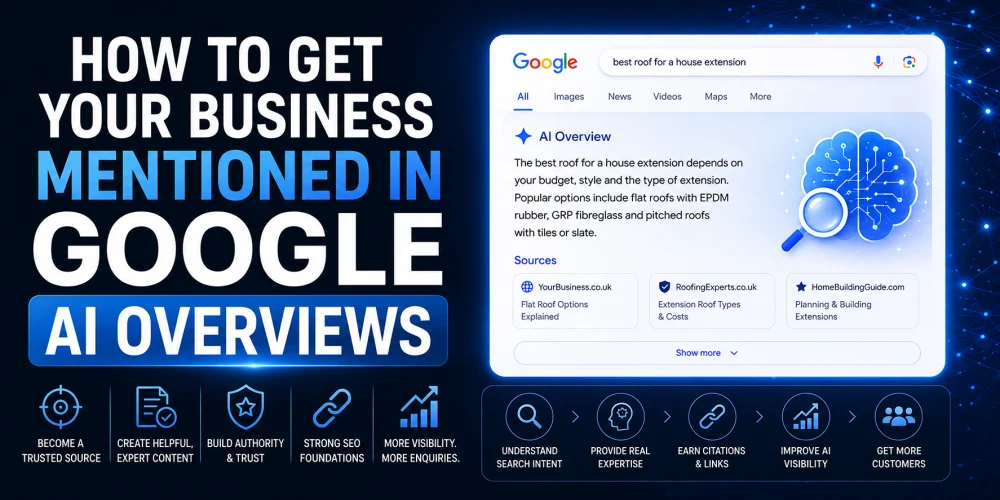
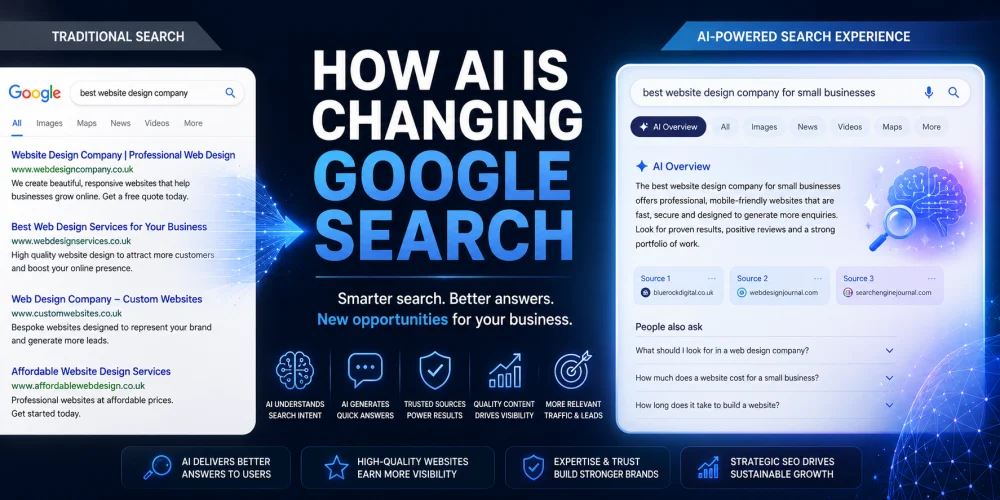
The bigger change since March 2025 has been AI in Google Search. AI Overviews now appear above many results, and Google launched AI Mode, a conversational search experience, in the UK on 28 July 2025. Both summarise information from several sources and link to some of them. That means it now matters not only where you rank but whether your content is clear, specific and trustworthy enough to be cited in an AI answer. Our AI visibility (GEO) services focus on exactly that.
What it means for you
- Expect two or three broad core updates a year, plus spam updates. Check the dashboard before assuming a drop is your fault.
- Keep following Google’s people-first content guidance; it has stayed the same through every update since.
- Write pages that answer questions directly and back them up with real experience, so they work for both traditional results and AI answers.
What the March 2025 core update teaches us about long-term SEO
The March 2025 update was not a penalty or a new rule. It was another step in Google’s long-running effort to reward the most helpful page for each search. The sites that come through core updates best are the ones that keep improving their content, show genuine expertise, fix technical problems and avoid shortcuts.
If an update has hit your traffic and you’d like an independent view of why, our SEO services start with a full audit of your content, technical health and competitors.